
Your county, not the state, holds the SR-22 file
Hawaii's financial responsibility law names an administrator in each county. Under HRS 287-1, that means the county chief of police or director of finance, plus their staff. Day to day, you deal with a county Financial Responsibility Section.
On Oahu, that section sits in the Kapalama Driver Licensing Center. Honolulu's driver's license FAQ says off-island drivers mail or fax a signed request to learn what they owe.
Kauai's Financial Responsibility Section does not hand out the SR-22; your insurance company supplies it. The Kauai DMV FAQ lets you drop one off yourself, but only the insurer's original form.
Which offenses bring an SR-22 in Hawaii, and which skip it
HRS 287-20 lists the triggers. You must file after a suspension or revocation that follows a conviction. An administrative OVUII revocation counts too. OVUII means operating a vehicle under the influence of an intoxicant.
The statute then carves out exceptions. These four cases need no filing.
- a first OVUII conviction sentenced under section 291E-61(b)(1).
- a one-year administrative revocation with no prior alcohol or drug contact in ten years, per HRS 291E-41.
- a moving violation conviction on its own.
- your first no-insurance conviction within five years.
A lenient judge does not end it either. After reckless or inattentive driving, OVUII, or driving while suspended, the county suspends you 30 days after conviction until you file. A moving violation can also count. That applies after a crash with injury, death or over $3,000 in damage, if the county has grounds to think you were at fault.
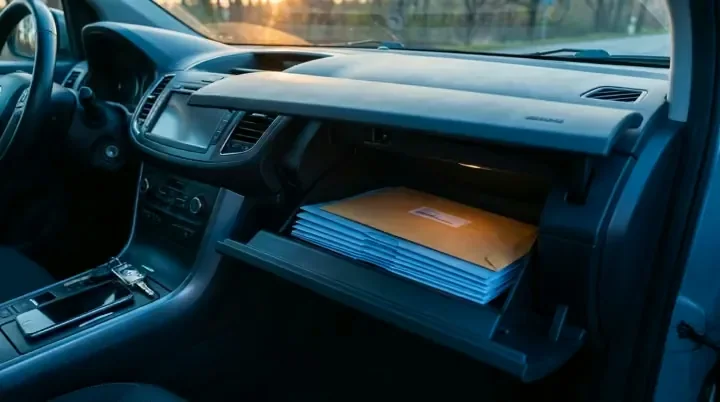
Driving uninsured on the islands: fines first, no SR-22
HRS 431:10C-117 fines a first no-insurance conviction $500. Each later offense within five years costs at least $2,000. The court then picks one: a license suspension, or a nonrefundable policy you keep in force for six months.
That suspension lasts three months for a first conviction. A repeat within five years brings one year. For these suspensions, the statute says you are not required to file proof under section 287-20.
The 40/80/20 floor, plus a bond or a cash deposit
The notes to chapter 287 point its required amounts to section 431:10C-301. The Insurance Division FAQ sets those at $40,000 per person and $80,000 per accident for injury. Property damage starts at $20,000. These apply to policies that begin or renew on or after January 1, 2026, replacing the old 20/40/10.
An insurer's certificate is one route. HRS 287-21 also accepts a surety bond or self-insurance. A third choice is a $25,000 deposit of cash or bonds with the county, under HRS 287-36. Minors must use an insurance certificate, per HRS 287-22.1.
Three clean years, then you ask the county to let it go
Under HRS 287-40, the county cancels it on request after three years from the date proof was required. The county must have no record of a disqualifying conviction during those three years. Surrendering your license also ends it, but reapplying inside the three years means filing again for the rest.
Under HRS 287-33, the insurer cannot cancel a certified policy until ten days after it files notice with the county. Once the policy ends, HRS 287-41 says to surrender your license immediately.